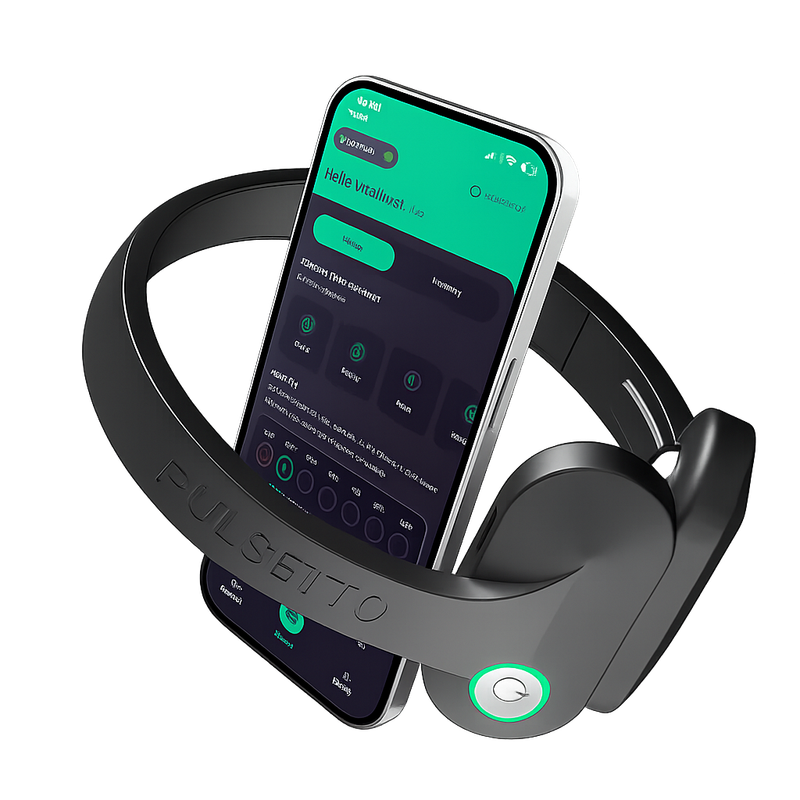
Pulsetto Fit Vagus nerve stimulator

Pulsetto Fit: Real Tech, Small Preliminary Studies

Transcutaneous vagus nerve stimulation is a real, researched category. Pulsetto's own studies, specifically, are small and haven't been peer-reviewed yet — here's the honest distinction.

FCC + CE Certified 30-Day Guarantee 2-Year Warranty
Shop Now
Worth Reading Carefully

"Peer-reviewed study." Not quite, as far as we could confirm.

Several review sites describe Pulsetto's research as a "2025 peer-reviewed study." Looking closer, the actual sources are a 2024 master's thesis and a small pilot study posted on a preprint repository — neither has gone through formal peer review.

See the honest breakdown
What's Real, What's Preliminary

Five things worth knowing before you buy

01/05

Real Underlying Mechanism

Transcutaneous vagus nerve stimulation (tVNS) is a genuine, non-invasive neuromodulation technique — the same nerve pathway used in implanted, FDA-cleared devices for epilepsy and treatment-resistant depression.

02/05

FCC and CE Certified

Real, checkable regulatory certifications for the device itself — confirms it meets recognized electrical safety standards, not a claim about medical efficacy.

03/05

Bilateral Neck Stimulation

Stimulates both sides of the vagus nerve simultaneously — a genuine hardware differentiator from several single-side competitors.

04/05

App-Guided Programs

Five built-in programs (stress, sleep, burnout, worry, pain) with session lengths of roughly 4-10 minutes, controlled through a companion app.

05/05

Device-Specific Research Is Small

Studies examining Pulsetto specifically come from a 2024 master's thesis and a small 2025 preprint pilot study — not peer-reviewed journals, and often involving researchers affiliated with the company.

Fair so far?

Real category, honestly separated from brand-specific evidence — see current pricing.

Check Current Price
Category Research vs. Brand Research

Two different bodies of evidence

The vagus nerve is one of the most studied structures in medicine. Implanted VNS devices have decades of clinical use and FDA clearance for epilepsy and treatment-resistant depression, and a 2025 systematic review of transcutaneous VNS trials found meaningful sleep-quality improvements across studied populations.

That research evaluates the technology category broadly — not Pulsetto's specific device, frequency, or session parameters. It's real evidence that the underlying idea has merit, not proof that this particular product delivers the same results.

What We Found Checking Pulsetto Specifically

Small, preliminary, often company-linked

The research directly examining Pulsetto comes primarily from small studies with researcher affiliations to the company. A 2024 master's thesis (Erasmus University Rotterdam) reported decreased heart rate and increased HRV versus a sham group. A 2025 pilot study on the preprint repository Zenodo looked at seven patients with a chronic inflammatory condition, using self-report questionnaires.

A properly designed, sham-controlled, randomized clinical trial of Pulsetto Fit is now registered and underway — a positive sign the brand is investing in better evidence — but it hasn't been published yet. The brand's own "86% feel calmer" statistic comes from a self-selected user survey, not a controlled clinical trial.

0
Day Guarantee
0
Year Warranty
0
App-Guided Programs
0
Peer-Reviewed Studies Found
Questions

Everything you need to decide, right here

No pressure, no fine print you have to hunt for. The answers below are the ones that actually matter before you order.

Is the Pulsetto study actually peer-reviewed?+

As far as we could confirm, no. The device-specific research comes from a 2024 master's thesis at Erasmus University Rotterdam and a small 2025 pilot study posted on Zenodo, a preprint repository — neither has gone through formal peer review, and both involved small sample sizes. A properly designed, sham-controlled clinical trial of Pulsetto Fit is now registered and underway, but not yet published.

Does the broader vagus nerve stimulation category have real research?+

Yes. Implanted VNS devices have decades of clinical use and FDA clearance for epilepsy and treatment-resistant depression, and there's substantial peer-reviewed research on transcutaneous VNS generally, including a 2025 systematic review linking it to sleep quality improvements. That research evaluates the technology category broadly, not Pulsetto's specific device or parameters.

Is Pulsetto a scam?+

It ships a real, FCC and CE certified physical device with a 30-day money-back guarantee and 2-year warranty. The brand's marketing statistics, including "86% of users feel calmer," come from self-selected user surveys, not controlled clinical trials — worth knowing the difference before you rely on that number.

How does Pulsetto compare to competitors on price?+

Per the brand's own comparison, Pulsetto is priced lower than several competitors like Nurosym (around $750) and is comparable to or cheaper than Apollo Neuro and Sensate (around $349 each) — though those two use vibration rather than electrical stimulation, so the comparison isn't perfectly apples-to-apples.

Before you order: The "$546 retail" reference price used to frame the current price as a discount isn't independently verifiable — treat it the way you would any brand-stated "was" price. Pulsetto is marketed as a general wellness product and is not intended to diagnose, treat, cure, or prevent any disease or medical condition, per the brand's own disclaimer.

Real Talk

Real category. Honest about the brand-specific evidence.

Transcutaneous vagus nerve stimulation, FCC and CE certified, 5 app-guided programs.

Pulsetto Fit
$296.00
Price as listed at the official store — verify at checkout
Check Current Price
30-Day GuaranteeFCC + CE Certified2-Year Warranty
Also From The Catalog

More honestly-reviewed wellness picks