A real, decades-old medical mechanism behind implanted devices — and an honest look at where non-invasive wearables like Pulsetto Fit fit into that research picture.
"Vagus nerve" has become a wellness buzzword, showing up on wearables, breathing apps, and cold-plunge marketing alike. But underneath the trend sits a genuinely real, well-studied piece of anatomy and a real medical device category with decades of clinical history. This guide separates what's actually proven — mostly from implanted, surgically-placed devices — from the newer, less-studied category of non-invasive wearables that borrow the same name.
Implanted VNS received FDA clearance for epilepsy in 1997 — nearly three decades of clinical use.
The FDA later cleared implanted VNS for treatment-resistant depression, expanding its established use case.
Transcutaneous VNS is the newer, external-electrode category most consumer wearables fall into — real, but less studied than the implanted approach.
A breakdown of the evidence, from most to least established — tap any card to expand.
This is the most established form of vagus nerve stimulation. A surgically implanted device delivers electrical pulses directly to the vagus nerve in the neck. It's FDA-cleared specifically for epilepsy (since 1997) and treatment-resistant depression (since 2005), backed by clinical trials required for that regulatory approval. This is a genuinely proven medical technology — for these specific, surgically-treated conditions.
tVNS uses external electrodes, typically on the ear or neck, to stimulate the vagus nerve without surgery. It's a real, actively-researched category — a 2025 systematic review of tVNS trials found associations with improved sleep quality across studied populations. This research base is growing but is meaningfully smaller and less mature than the implanted-device literature.
Here's the distinction that matters most for consumer wearables: research on tVNS as a category doesn't automatically transfer to any specific commercial device. Stimulation location, frequency, intensity, and session duration all vary between products, and studies on the general mechanism don't confirm that a particular product's exact parameters produce the same effect. Always check whether a device has research on its specific hardware, not just citations to the broader tVNS literature.
A common marketing pattern in this space: citing a "study" that turns out to be a master's thesis, a small preprint pilot, or a self-selected user survey — not a peer-reviewed clinical trial. None of these are inherently worthless, but they're a different tier of evidence than what "study-backed" implies, and it's worth checking which tier any specific claim falls into before you weigh it heavily in a purchase decision.
| Factor | Implanted VNS | Transcutaneous (tVNS) |
|---|---|---|
| Invasiveness | Surgical implant | External electrodes, no surgery |
| FDA clearance | Yes — epilepsy, depression | Varies by specific device and claim |
| Research maturity | Decades of clinical trials | Smaller, growing body of research |
| Typical use case | Diagnosed medical conditions | General wellness, stress, sleep |
| Cost | Surgical procedure + device | Consumer wearable price range |
A growing category of neck-worn and ear-clip devices market themselves as tVNS products for stress, sleep, and general wellness — without the surgery or the FDA clearance that implanted devices carry.
Here's the honest research concern: the underlying mechanism these devices use is real, and the broader tVNS category has legitimate, growing research behind it. But most individual consumer devices have far less evidence behind their specific hardware than the category-level research might suggest. Marketing that cites "peer-reviewed studies" sometimes points to a master's thesis or an unpublished preprint instead — check the actual source before treating a claim as clinically established.
If you're considering a wearable in this category, look specifically for: whether the study cited examined that exact device, whether it went through peer review, the sample size, and whether the researchers have a financial relationship with the company. None of these questions should be hard to answer if the evidence is genuinely strong.
Pulsetto Fit is one specific product in the tVNS wearable category discussed above. We built a full, honest review that applies the same scrutiny — separating the real category-wide mechanism from what's actually been studied about this specific device, including a fact-check of the "peer-reviewed study" language used in some marketing.
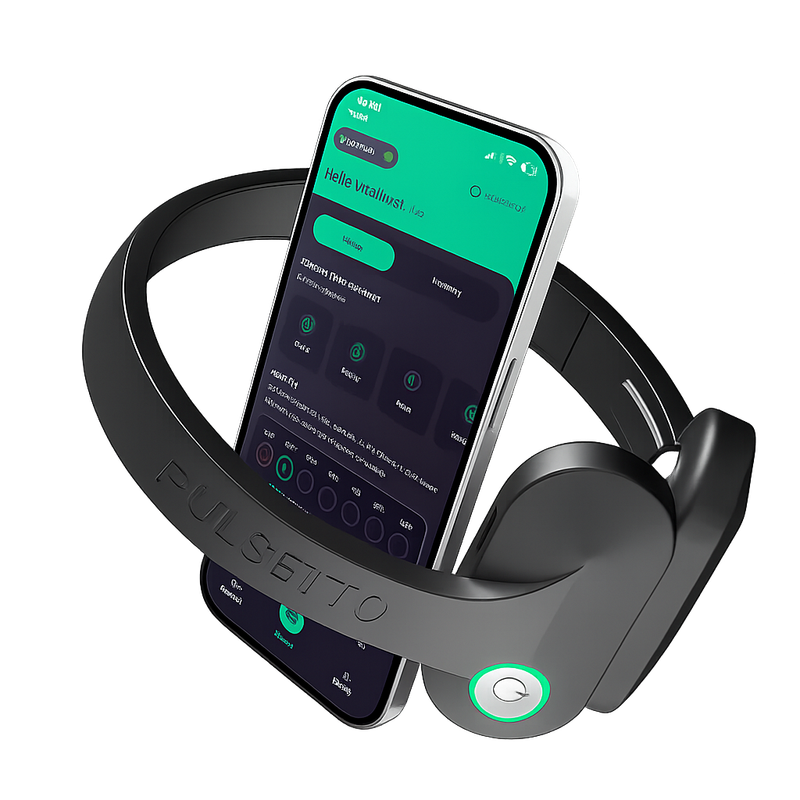
What's proven category-wide, what's specific to this device, pricing, and an honest FAQ.
The underlying mechanism is real and clinically established — implanted VNS devices have decades of use and FDA clearance for epilepsy and treatment-resistant depression. Transcutaneous (non-invasive) VNS has a growing body of research, including studies linking it to improved sleep quality. What's less established is evidence specific to any individual consumer wearable device and its exact parameters.
Implanted VNS requires surgery to place a device that directly stimulates the vagus nerve, and is FDA-cleared for specific conditions like epilepsy. Transcutaneous VNS (tVNS) uses external electrodes, typically on the ear or neck, to stimulate the nerve without surgery — it's the category most consumer wearables fall into, and it's less studied than the implanted approach.
Check whether cited studies are peer-reviewed and published in indexed journals, versus preprints, theses, or company-funded surveys. Look for the sample size and whether researchers have financial ties to the company. A device using a real mechanism doesn't automatically mean its specific research is rigorous — check both separately.