Melatonin gets marketed as a cure-all, and behavioral habits get overlooked. Here's what sleep research actually supports, in order of real impact.
Poor sleep is linked to obesity, cardiovascular disease, impaired immunity, and mental health challenges, yet many adults still fall short of the recommended 7-9 hours nightly. Before reaching for a supplement, it helps to know which habits and ingredients research actually supports — and by how much.
The evidence is real but modest. A rapid evidence assessment of 35 randomized controlled trials found weak-to-moderate support for melatonin improving sleep onset latency and insomnia symptoms. It's genuinely helpful for many people — particularly for shifting sleep timing, like jet lag or delayed sleep phase — but it's not the dramatic, guaranteed effect some marketing implies.
| Ingredient | What Research Suggests |
|---|---|
| Magnesium (glycinate) | Supports relaxation; commonly studied alongside melatonin |
| Tart Cherry Extract | Contains natural melatonin precursors; some sleep-quality support |
| L-Theanine | Promotes calm without sedation; often paired with other sleep aids |
| GABA | Neurotransmitter linked to relaxation; oral bioavailability debated |
| Chamomile (apigenin) | Mild, traditional sleep support with some clinical backing |
This is a genuine interaction risk, not a generic supplement disclaimer. 5-HTP raises serotonin levels in the body. Combined with SSRIs, MAOIs, or other serotonergic medication, this can contribute to serotonin syndrome — a serious, potentially dangerous condition. If you take antidepressants or any medication affecting serotonin, talk to a doctor before using any supplement containing 5-HTP.
YuSleep combines several of the ingredients discussed above — low-dose melatonin, GABA, L-theanine, 5-HTP, tart cherry extract, magnesium glycinate, and B vitamins — in a sublingual liquid format. Given the 5-HTP content specifically, the safety warning above applies directly: check with a doctor first if you're on antidepressant or serotonergic medication.
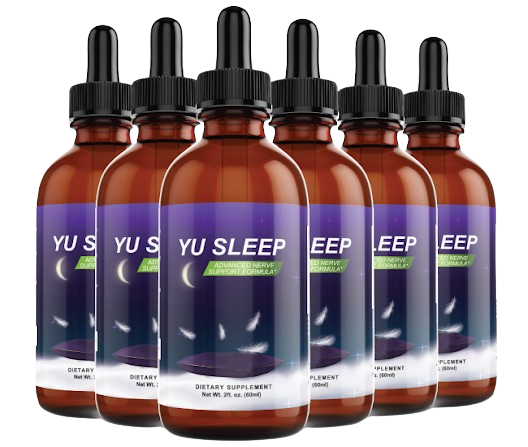
Liquid sublingual formula, non-habit-forming, stimulant-free.
From $49.00The evidence is real but modest — a review of 35 randomized trials found weak-to-moderate support for improving sleep onset and insomnia. It works best for shifting sleep timing, like jet lag, rather than as a general sedative.
Waking at the same time every day, including weekends, is described as the single most important behavioral habit. Morning sunlight within 30 minutes of waking is the strongest circadian cue.
A review of sleep nutraceuticals found supporting evidence for magnesium, omega-3s, tart cherry juice, kiwifruit, and chamomile (apigenin), alongside melatonin. Evidence varies by ingredient.
Yes. 5-HTP raises serotonin, carrying a real interaction risk with SSRIs, MAOIs, and other serotonergic medications, potentially contributing to serotonin syndrome. Talk to a doctor first if you take antidepressants.
Yes. Blue light from screens suppresses melatonin production, delaying sleep onset. Research supports limiting screens for at least an hour before bed, or using blue light filters.