Probiotics and prebiotics get marketed as near-universal fixes. Here's what peer-reviewed research actually confirms — and what it doesn't, yet.
"Gut health" is one of the most heavily marketed wellness categories, and the science behind probiotics and prebiotics is real — it's just more specific and more modest than most product pages let on. Here's what to actually know before choosing a gut health supplement.
Live microorganisms that provide a health benefit when consumed in adequate amounts. Strains like Lactobacillus, Bifidobacterium, and Saccharomyces have the longest track record of documented safe and effective use.
Non-digestible compounds — like inulin, FOS, and GOS fibers — that selectively feed the beneficial bacteria already living in your gut, rather than adding new bacteria directly.
The active compounds beneficial bacteria produce as they metabolize prebiotics — short-chain fatty acids are a well-studied example, linked to intestinal barrier support.
Research on the gut microbiome has accumulated rapidly over the past decade, but the details matter more than the headline.
Effectiveness is strain-specific, not universal. Whether a probiotic helps depends heavily on which bacterial strain is used, your individual gut microbiome, and what's actually causing your symptoms. A product working for one person's digestive complaint doesn't guarantee it works for another's — this is a real, well-documented limitation, not marketing hedge language.
Broader claims (mood, immunity, weight) are still emerging. Research on the gut-brain axis has found modest antidepressant-adjacent effects from some probiotic strains in people with depressive symptoms — genuinely interesting, but researchers themselves describe this evidence as still developing and call for more studies in clinically relevant populations before drawing firm conclusions.
Clinical trials studying probiotics and prebiotics typically run for several weeks to months before measuring meaningful outcomes — not days. Gut microbiome composition shifts gradually as bacterial populations grow, decline, and rebalance. If a product's marketing implies overnight transformation, that timeline doesn't match how the underlying biology actually works.
Both are real prebiotic/probiotic products, worth evaluating against the same factors above: check which specific strains are included, keep expectations realistic on timeline, and remember neither is a substitute for medical care if you have a persistent digestive or urinary concern.
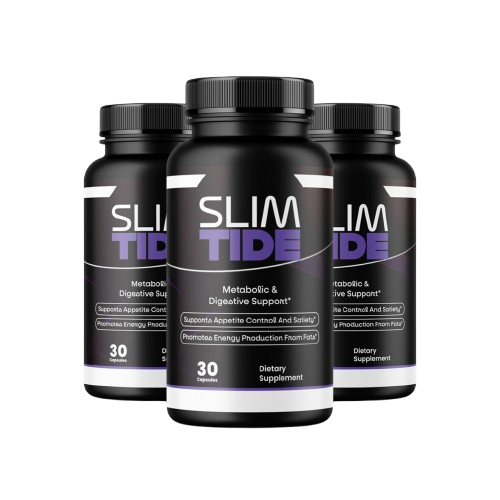
Prebiotic (chicory root inulin) and 3-strain probiotic blend, with disclosed doses.
From $49.00
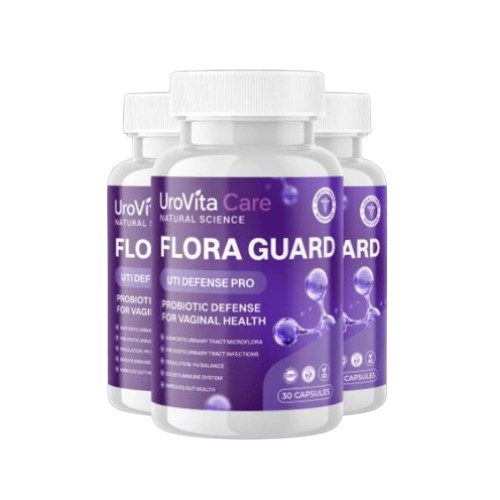
Probiotic supplement targeting urinary and gut microbiome support.
From $33.97Probiotics are live microorganisms that can provide a health benefit when consumed in adequate amounts. Prebiotics are non-digestible fibers that feed the beneficial bacteria already in your gut. A supplement combining both is often called a synbiotic.
The evidence is real but nuanced — effectiveness depends heavily on the specific strain, your individual gut microbiome, and what's causing your symptoms. Strains like Lactobacillus and Bifidobacterium have the longest documented track record. Not a one-size-fits-all fix.
Most research trials run weeks to months before measuring outcomes, not days. Gut microbiome changes happen gradually, not overnight.
No. Probiotics and prebiotics are sold as dietary supplements, not medicine, so they undergo less regulatory scrutiny than a prescription drug and shouldn't replace medical care.
Emerging research links the gut microbiome to immune function, metabolism, and mood via the gut-brain axis, with modest effects shown in some studies. Researchers describe this evidence as still developing.