Wellness Guide

Topical Pain Relief: What Research Actually Shows

Some ingredients in this space have real double-blind trial evidence. A well-known claim in this category doesn't hold up nearly as well — here's the honest split.

7 min read Sourced from Mayo Clinic Proceedings, Rheumatology International, CMAJ
Every claim tied to a real study
No brand comparisons or rankings

Topical pain relief products range widely in how well-evidenced they actually are. Two ingredients common in gels — arnica and boswellia — have real double-blind trial support. A mechanism common in insoles and wearables — static magnets — has been directly tested against fake versions and come up short. Here's the honest breakdown of each.

What Has Real Evidence: Arnica and Boswellia

21 days

Duration of a double-blind trial in Rheumatology International showing arnica gel significantly reduced hand osteoarthritis pain.

≈ Ibuprofen

Another trial found arnica gel performed comparably to ibuprofen gel for hand osteoarthritis pain relief.

28 days

A randomized, placebo-controlled boswellia trial showed reduced pain and stiffness in spondylitis over this period.

Both ingredients have plausible, studied mechanisms — arnica's anti-inflammatory compounds and boswellia's inhibition of inflammatory enzymes involved in cartilage degeneration — backed by actual randomized trials, not just traditional use claims.

The Magnet Study Worth Knowing About

This is the strongest available evidence on magnetic therapy, and it's not favorable. Researchers at Mayo Clinic tested real magnetic insoles against fake ones — visually identical, but with non-magnetized foil instead of real magnets. Published in Mayo Clinic Proceedings, the study found no meaningful difference in pain relief between the two groups. Notably, people who strongly believed in magnets reported real relief even while wearing the fake insoles — a textbook placebo response. A separate systematic review in the Canadian Medical Association Journal reached a similar conclusion: evidence does not strongly support static magnets for pain relief.

Acupressure Is a Genuinely Different Story

This distinction matters: acupressure itself — the physical pressure-point stimulation, separate from any magnetic component — has real clinical support across multiple trials for pain reduction, nausea, anxiety, and sleep quality. The magnet and the pressure are two different mechanisms tested by very different research, and it's worth evaluating them separately rather than assuming a magnetic acupressure product inherits acupressure's evidence for its magnetic claims too.

A word on marketing content in this category: we found several articles reviewing insole and gel products online that read as independent reviews but are labeled as sponsored advertorial content, repeating identical marketing statistics like specific customer counts across multiple sites. Treat unverified customer-count claims with real caution.

Where Kinzeno and Akusoli Fit

Kinzeno is a topical gel with arnica, magnesium, boswellia, and MSM — the arnica and boswellia components align with real trial evidence above; topical magnesium absorption specifically remains more debated in the research. Akusoli combines magnetic therapy with acupressure in an insole format — per the research above, evaluate the acupressure and magnetic elements separately rather than assuming they carry equal evidence.
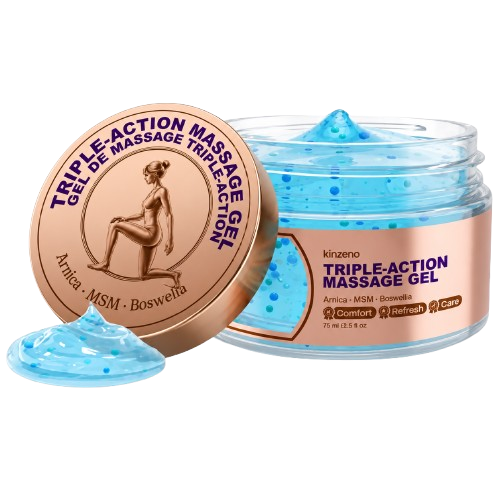
Kinzeno topical massage gel

Kinzeno — Full Honest Review

Topical gel with arnica, magnesium, boswellia, and MSM.

From $59.99
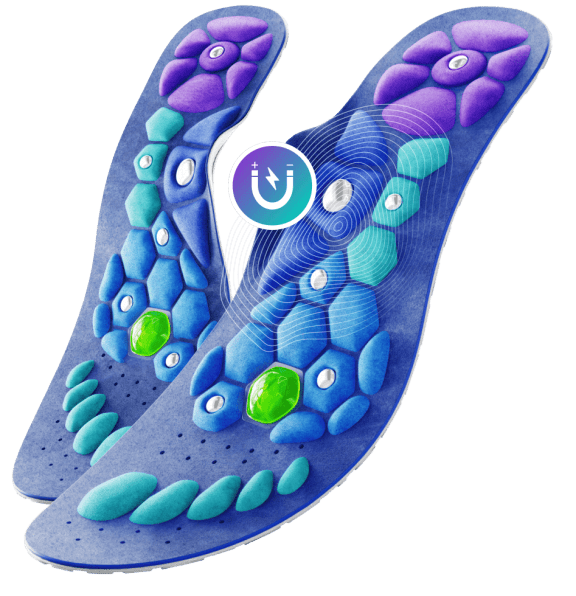
Akusoli magnetic acupressure insoles

Akusoli — Full Honest Review

Trimmable magnetic acupressure insoles with antimicrobial silver coating.

From $29.99

Frequently Asked Questions

Does arnica gel actually reduce pain?

Yes, with real evidence. A double-blind trial in Rheumatology International found topical arnica gel significantly reduced pain and improved function in hand osteoarthritis over 21 days, performing comparably to ibuprofen gel in another trial.

Is there real evidence for boswellia?

Yes. Randomized, placebo-controlled trials show boswellia can reduce pain and stiffness in joint conditions, and animal research shows it inhibits inflammatory pathways involved in osteoarthritis.

Do magnetic insoles actually relieve pain?

The strongest evidence says no. A Mayo Clinic study tested real vs. fake magnetic insoles and found no meaningful difference — people who believed in magnets felt relief even with fakes, a classic placebo pattern. A CMAJ review reached a similar conclusion.

If magnets don't work, does acupressure still have evidence?

Yes — an important distinction. Acupressure itself, separate from any magnetic component, has real support for pain, nausea, anxiety, and sleep across multiple trials. The two mechanisms have very different evidence bases.

Should I be skeptical of glowing reviews for pain relief products?

Some caution is warranted. We found sponsored advertorial content presenting itself as independent review, repeating identical marketing statistics across sites. Treat unverified customer-count claims with caution.

*This guide reflects publicly available clinical research from the sources cited above. We are not medical professionals; consult a doctor for persistent pain. We did not independently test any specific product mentioned.