Guide · Updated 2026

Brain & Memory Supplements: What Real Nootropics Contain

The ingredients actually studied for cognition, versus general wellness compounds marketed as "brain" support — plus a real warning about fabricated celebrity endorsements in this category.

7 min read Cross-referenced against fact-checks from Snopes and Forbes
Fact-checks sourced from Snopes and Forbes
No brand names ranked or compared
We flag real evidence gaps, not just upsides

"Brain supplement" and "nootropic" get used loosely in marketing, often applied to products whose actual ingredients have little to do with the research base those words imply. This guide covers what the traditionally-studied nootropic ingredients actually are, how to check what's really in a given product, and — because this category has become a magnet for a specific, well-documented scam pattern — how to spot fabricated celebrity endorsements before you trust one.

The Big Picture, in Numbers

7+

Traditionally-studied ingredients

Caffeine, L-theanine, Bacopa, Ginkgo, Huperzine-A, Rhodiola, and Lion's Mane make up the core of most real nootropic research.

Fake

Bill Gates Alzheimer's endorsements

Confirmed fabricated by Snopes and Forbes — a documented, widespread scam pattern in this exact category.

Check

Multiple sources for real ingredients

Cross-referencing several independent sources is the single best way to catch inconsistent or fabricated ingredient claims.

What Real Nootropics Contain

The compounds most commonly associated with cognitive-specific research — tap any card to expand.

01real

Caffeine + L-Theanine

One of the most-studied combinations in the nootropic space — caffeine for alertness, paired with L-theanine, which research suggests smooths out caffeine's jittery edge while supporting focus. This pairing has a genuinely substantial research base behind it, more than almost any other combination in the category.

02real

Bacopa Monnieri

A traditionally-used herb with a real, if mixed, body of clinical research specifically examining memory-related outcomes. It's one of the more frequently-cited ingredients in legitimate nootropic formulations, typically requiring weeks of consistent use before any effect would be expected.

03real

Ginkgo Biloba + Huperzine-A

Ginkgo has decades of research examining circulation and cognitive outcomes, with genuinely mixed results across studies. Huperzine-A, derived from a moss species, has research specifically tied to acetylcholine pathways relevant to memory. Both are considered core ingredients when a formula is genuinely built around cognitive research.

04watch

General Cellular-Energy Compounds

Ingredients like Magnesium, Alpha Lipoic Acid, L-Carnitine, and CoQ10 are real, legitimate compounds — but their research base is mostly in general cellular energy, heart health, and antioxidant support, not cognition-specific trials. A formula built entirely around these can be honest and useful, but it's drawing on a different evidence base than "nootropic" marketing implies.

Traditional Nootropics vs. General Wellness Compounds

CategoryExample IngredientsResearch Focus
Traditional nootropicsCaffeine, L-theanine, Bacopa, Ginkgo, Huperzine-ACognition, memory, focus specifically
General cellular energyCoQ10, L-Carnitine, Alpha Lipoic AcidHeart health, metabolism, antioxidant defense
General vitamins/mineralsB-vitamins, MagnesiumBroad nutritional support, not cognition-specific

The Celebrity Endorsement Scam Pattern

This category has become an especially common target for a specific, well-documented fraud tactic.

Confirmed by top fact-checkers: Snopes and Forbes both investigated widely-circulated ads claiming Bill Gates created or endorsed memory and Alzheimer's "breakthrough" products, under names including Memocept, Memopezil, Brain Honey, and Mind Boost. Both found no credible evidence Gates was involved with any of them. The scam exploits Gates' real, unrelated philanthropic funding of Alzheimer's research, then attaches his likeness via deepfake video or fabricated quotes. If an ad shows a celebrity making a dramatic breakthrough claim about a supplement, treat that specific claim as false until you can verify it through a primary source — not the ad itself.

This doesn't necessarily mean the underlying product being advertised is fraudulent — sometimes a real product exists and is simply being exploited by unrelated scam ads. But it does mean the specific endorsement claim should never be taken at face value.

Where Harmo Brain and Memocept Fit

Both products are covered in the categories discussed above. We built full, honest reviews for each — checking Harmo Brain's ingredient list against what traditional nootropics actually contain, and fact-checking the Bill Gates claim circulating around Memocept specifically.
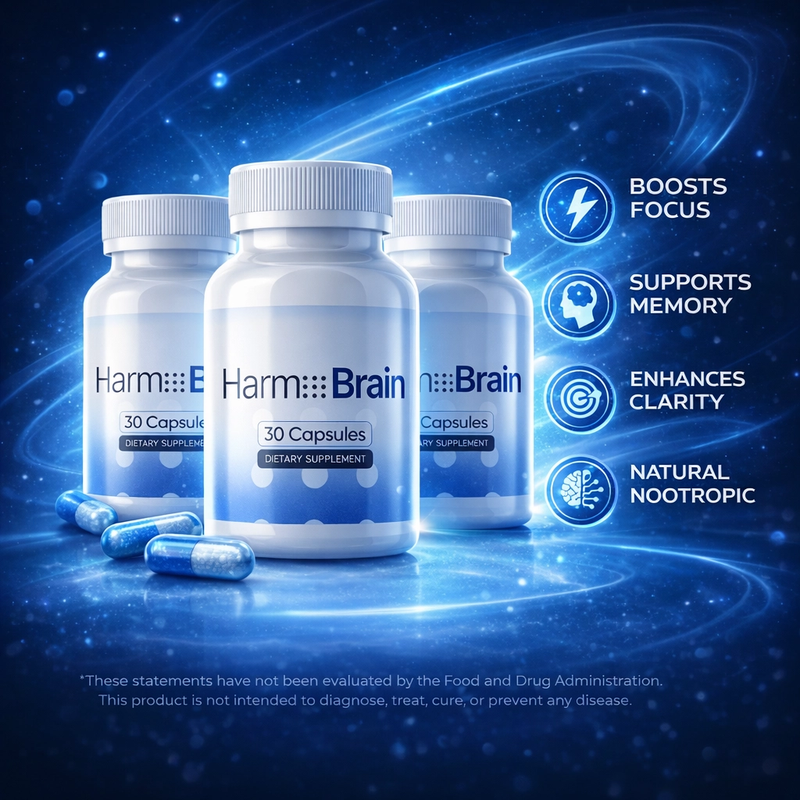
Harmo Brain

Harmo Brain — Full Honest Review

Real ingredients, honestly not traditional nootropics.
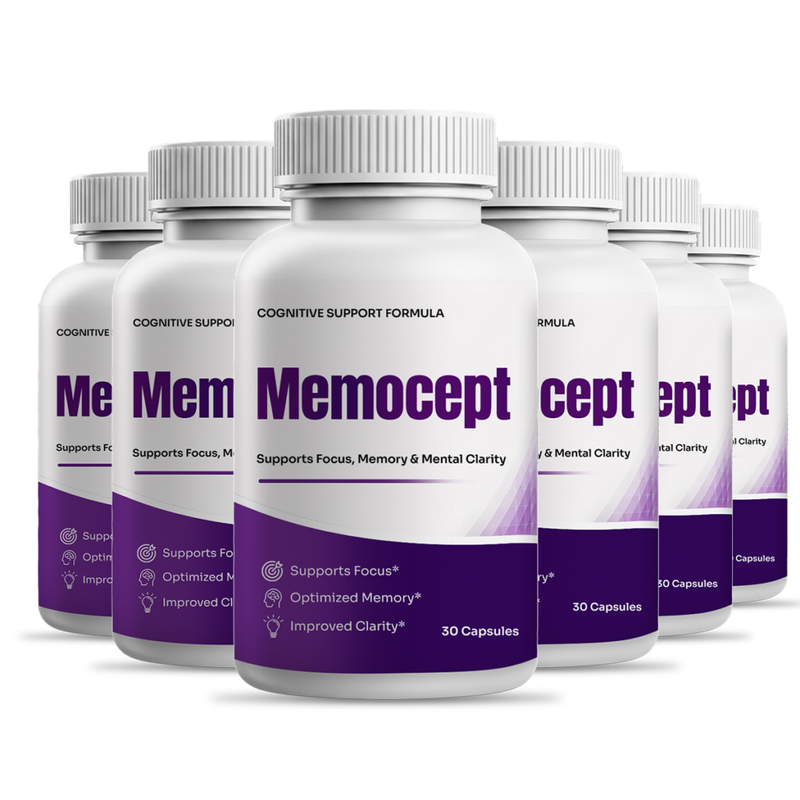
Memocept

Memocept — Full Honest Review

The Bill Gates fact-check, and conflicting ingredient reports explained.

Frequently Asked Questions

What ingredients are in real, traditional nootropics?

Compounds most commonly associated with cognitive-specific research include caffeine, L-theanine, Bacopa monnieri, Ginkgo biloba, Huperzine-A, Rhodiola rosea, and Lion's Mane mushroom. If a product marketed as a "brain supplement" contains none of these, it may still be a legitimate general wellness product, but it isn't drawing on the same evidence base its category name implies.

Why do so many brain supplement ads feature celebrities like Bill Gates?

Fact-checkers including Snopes and Forbes have documented a widespread scam pattern using deepfake video and fabricated quotes attributed to Bill Gates and other public figures, exploiting his genuine, unrelated philanthropic support of Alzheimer's research to sell unproven supplements. No credible evidence supports these endorsements being real for any product using this tactic.

How can I tell if a brain supplement's ingredients are real?

Check for exact per-capsule doses on the label rather than a vague "proprietary blend." Cross-reference the ingredient list across multiple independent sources — if they meaningfully disagree, that's a real red flag. Be wary of products whose official marketing cites studies that don't clearly match the disclosed formula.

Related Guides
How to Sleep Better →
*This guide reflects publicly available information, including fact-checks published by Snopes and Forbes. It is not medical advice. Consult a doctor before starting any new supplement. We did not independently test any specific product mentioned.