Wellness Guide

Berberine & Metabolism Supplements: The Real Evidence

Berberine is genuinely one of the best-studied natural compounds for metabolic health — but "well-studied" comes with real caveats most product pages skip. Here's the honest picture.

7 min read Sourced from NIH/PMC clinical trials, Healthline, Ubie Doctor's Note
Every figure tied to clinical research
No brand comparisons or rankings

Berberine has become one of the most talked-about natural compounds in the metabolic health space, often described online as "nature's Ozempic." That comparison oversells it — but the actual clinical evidence behind berberine specifically is still genuinely stronger than most supplement ingredients get. Here's what the research shows, and where general "metabolism support" products fit into that picture.

The Clinical Evidence for Berberine

Berberine is a plant alkaloid found in barberry, goldenseal, and other traditional medicinal plants. Unlike most trending supplement ingredients, it has a real body of human clinical trials behind it.

~30%

Reduction in fasting blood glucose observed in an 8-week animal study after berberine intervention.

900-1,500mg

Typical daily dose range used across human clinical trials, divided into 2-3 doses.

Comparable

To metformin for HbA1c and fasting glucose in several randomized trials, per research reviews.

How it works: Berberine activates AMPK (a cellular energy-regulating enzyme), improves insulin sensitivity, and influences glucose and lipid metabolism through several distinct pathways at once — which researchers believe is part of why its effects appear consistently across different studies.

Real Dosing and Safety Considerations

This is not a casual supplement. Because berberine acts pharmacologically, it carries real considerations: gastrointestinal side effects (cramping, diarrhea, constipation), risk of hypoglycemia when combined with diabetes medication, and interactions with drugs metabolized by certain liver enzymes. It's not recommended during pregnancy or breastfeeding, and shouldn't be given to children. Anyone on prescription medication should talk to a doctor first.

On bioavailability: berberine is poorly absorbed when taken orally, which is a genuine limitation researchers have worked to address — some newer formulations use dihydroberberine, a form intended to improve absorption. If a product doesn't disclose its specific form or dose, that's a real gap in transparency worth noting.

Berberine Alone vs. Proprietary Metabolism Blends

Here's the honest distinction that matters most: the clinical trials cited above tested berberine alone, at research-level doses (900-1,500mg/day). Many commercial "metabolism support" products combine berberine with several other ingredients, each often at lower, less-individually-studied doses. That doesn't necessarily mean a blended product doesn't work — but it does mean the strong berberine evidence doesn't automatically transfer to every product that lists it as one ingredient among many. Check the actual disclosed dose per ingredient before assuming research-level effects.

Where Trimoryn and RetaFit Fit

Trimoryn discloses berberine as a named ingredient alongside cinnamon bark and konjac fiber — worth checking the specific disclosed dose against the 900-1,500mg research range above. RetaFit is positioned more generally as a metabolism-support capsule; per our full review, we found no independently verified ingredient breakdown matching berberine's specific research, so we'd apply the general blend caution above rather than berberine's stronger evidence base.
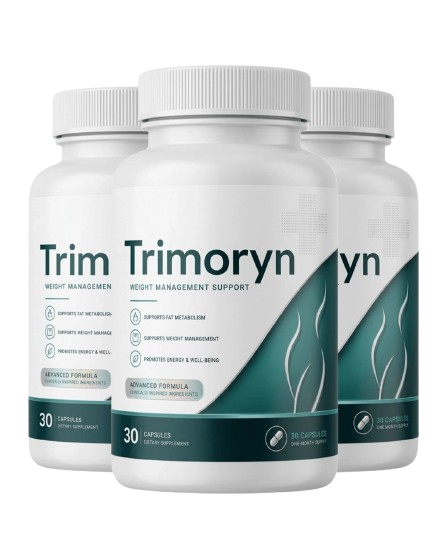
Trimoryn metabolism supplement

Trimoryn — Full Honest Review

Berberine, cinnamon bark, and konjac fiber capsules.

From $79.00
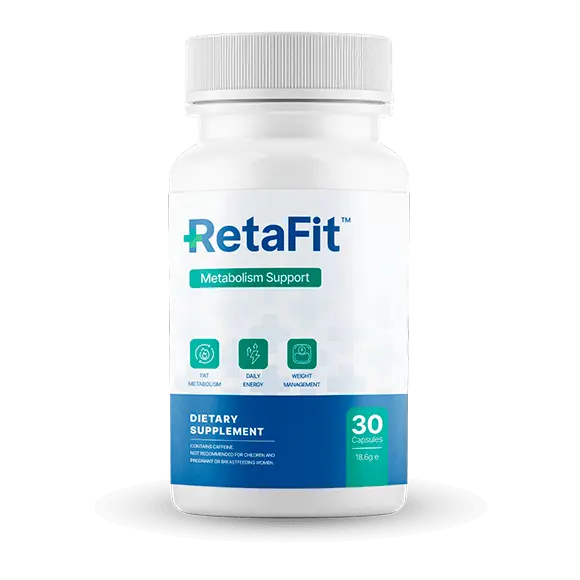
RetaFit metabolism capsules

RetaFit — Full Honest Review

General metabolism-support capsules (German-language page).

From 25,80 €

Frequently Asked Questions

Does berberine actually work for blood sugar?

Berberine has some of the strongest human clinical evidence of any natural compound marketed for metabolic health, with several randomized trials comparing it favorably to metformin. Strong evidence doesn't mean harmless — it acts pharmacologically with real side effects and interaction risks.

What's the typical berberine dosage in research?

Most clinical studies use 900-1,500mg per day, divided into 2-3 doses with meals. There's no single officially established dosage, and higher doses may just increase side effects rather than benefit.

Is berberine safe to take with other medications?

Not automatically. It can interact with diabetes medications and drugs metabolized by certain liver enzymes. Anyone on prescription medication should talk to a doctor before adding berberine.

What are berberine's common side effects?

Gastrointestinal effects are most common — cramping, diarrhea, or constipation, especially at higher doses. Not recommended during pregnancy, breastfeeding, or for children.

Do general "metabolism support" supplements have the same evidence as berberine specifically?

Not usually. Berberine alone is unusually well-studied compared to most proprietary blends, which combine several ingredients at lower, less-studied doses. Listing berberine as one ingredient isn't automatically equivalent to trials testing it alone at research doses.

*This guide reflects publicly available clinical research from the sources cited above. We are not medical professionals; consult a doctor before starting berberine or any metabolism supplement, especially if you take other medication. We did not independently test any specific product mentioned.