Guide · Updated 2026

How to Actually Improve Your Gas Mileage

Real, government-sourced methods for better fuel economy — plus an honest look at where plug-in "fuel saver" gadgets fit into the picture, and where they don't.

8 min read Sourced from EPA, DOE, FuelEconomy.gov, Consumer Reports, Oak Ridge National Laboratory
Every figure sourced from EPA, DOE, or Consumer Reports
No brand names ranked or compared
We flag real skepticism, not just upsides

Gas prices don't move much on their own, but how you drive and maintain your car does — by a lot more than most people assume. The Department of Energy estimates the average driver can pick up roughly 10% better fuel economy just from driving habits and basic maintenance, no purchase required. This guide walks through what's actually proven to work, backed by government and independent testing data, then gives an honest, unhyped take on where plug-in "fuel saver" devices fit into that picture.

The Big Picture, in Numbers

↑40%

Cost of aggressive driving

Oak Ridge National Laboratory found aggressive acceleration/braking can cut fuel economy up to 40% in stop-and-go traffic.

~10%

Average gain from habits + maintenance

DOE estimate for combined driving-habit and maintenance improvements — no purchase needed.

6-8 mpg

From slowing down 65→55 mph

Consumer Reports testing on real vehicles found this measurable gain from a single speed change.

What Actually Works

Ranked roughly by how much control you have over each one — tap any card to expand.

↓40% max

Drive Smoothly, Not Aggressively

This is the single biggest lever most people control directly. Oak Ridge National Laboratory found aggressive driving — rapid acceleration, hard braking, speeding — can lower fuel economy by up to 40% in stop-and-go traffic and up to 30% at highway speeds. Treating acceleration as a steady, linear process and coasting when possible captures most of this gain for free.

6-8mpg

Slow Down on the Highway

Consumer Reports measured real fuel economy at 55, 65, and 75 mph in a Nissan Altima and Toyota RAV4. Dropping from 65 to 55 mph improved economy by 6-8 mpg. Going the other way — 65 to 75 mph — cost nearly as much. Higher speeds mean significantly more aerodynamic drag, which the engine has to work against.

↑10% avg.

Keep Up With Maintenance

Worn spark plugs, dragging brakes, and low transmission fluid all quietly reduce efficiency. The EPA notes proper maintenance and using the manufacturer-recommended motor oil grade together contribute several percent in savings, and fixing a genuinely faulty part — like an oxygen sensor — can improve mileage by as much as 40% on its own. If the check engine light is on, that's a fuel economy issue as much as anything else.

↑3% max

Check Tire Pressure

Per FuelEconomy.gov, properly inflated tires improve mileage by about 0.6% on average, up to 3% in some cases. Under-inflation by just 1 psi can cost roughly 0.2%. It's a small individual effect, but it's free, takes two minutes at a gas station, and also extends tire life. Check the sticker inside the driver's door, not the number printed on the tire itself.

↑1-2%

Use the Right Motor Oil

Using the manufacturer's recommended oil grade (check your owner's manual) rather than whatever's cheapest improves fuel economy by 1-2% per FuelEconomy.gov. It's a minor line item at your next oil change, not a separate purchase.

↓1%/100lb

Lighten the Load

Every 100 extra pounds sitting in your car costs roughly 1% in fuel economy. That golf bag, box of books, or roof rack you never take off adds up more than it feels like it should, especially over regular commuting distances.

Quick Reference Table

MethodTypical GainCostSource
Smooth, non-aggressive drivingUp to 40% (avoiding the penalty)FreeOak Ridge National Lab
Driving 55 vs. 65 mph6-8 mpgFree (time tradeoff)Consumer Reports
Habits + maintenance combined~10% averageRoutine service costU.S. DOE
Fixing a faulty sensorUp to 40%Repair costEPA / Earth Day Network
Proper tire pressure0.6% avg, up to 3%FreeFuelEconomy.gov
Recommended motor oil grade1-2%Included in oil changeFuelEconomy.gov
Removing 100 lbs of excess weight~1%FreeFuelEconomy.gov

What About Plug-In Fuel Saver Gadgets?

A whole category of small devices plug into your car's OBD2 port (the same connector mechanics use to read diagnostic codes) and claim to "recalibrate" the engine for major fuel savings — sometimes 30%, 40%, even higher.

Here's the honest engineering concern: the OBD2 port is built for reading data, not for a small aftermarket device to rewrite how a factory ECU manages fuel delivery. That's a meaningful mechanical limitation, not a minor nitpick. We haven't found EPA-certified, independently verified lab data supporting the large percentage gains commonly advertised for this device category. That doesn't necessarily mean every product in it does nothing — but it's a real reason to be skeptical of specific numeric claims until you can verify them independently.

If you're considering a device in this category, the methods above cost nothing and have real, government-sourced data behind them. Treat any plug-in gadget as a possible small addition at best — not a replacement for the driving and maintenance habits that are actually proven to move the needle.

Where SynGas Fits

SynGas is one specific product in the OBD2 plug-in category discussed above. We built a full, honest review that applies the same scrutiny — including the engineering concern about the OBD2 port, and what independent commentary we could find. We're not telling you it's the answer here; we're pointing you to the details so you can decide for yourself.
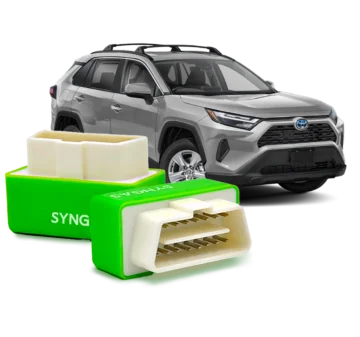
SynGas OBD2 device

SynGas — Full Honest Review

What it claims, what the engineering says, pricing, and an honest FAQ.

Frequently Asked Questions

What's the single biggest thing that hurts gas mileage?

Aggressive driving. Oak Ridge National Laboratory found aggressive acceleration and braking can lower fuel economy by up to 40% in stop-and-go traffic and up to 30% at highway speeds — a bigger swing than any single piece of equipment.

Do fuel-saving gadgets that plug into the OBD2 port actually work?

The OBD2 port is designed for reading diagnostic data, not for a small aftermarket device to rewrite how the factory ECU manages fuel delivery. No EPA-certified device in this category has published independent lab data confirming the large percentage gains commonly advertised. Treat specific product claims with real skepticism and check for independent testing before buying.

Does driving slower actually save meaningful fuel?

Yes, measurably. Consumer Reports testing found that dropping from 65 mph to 55 mph improved fuel economy by 6-8 mpg in tested vehicles, while cruising at 75 mph instead of 65 mph cost nearly as much.

Does tire pressure really make a difference?

A real but modest one. Per FuelEconomy.gov, properly inflated tires improve mileage by about 0.6% on average, up to 3% in some cases, and under-inflation by just 1 psi can cost about 0.2% in fuel economy.

How much can regular maintenance improve fuel economy?

The Department of Energy estimates the average driver can improve fuel economy by around 10% through better driving habits and proper maintenance combined. Fixing a serious issue like a faulty oxygen sensor can improve mileage by as much as 40% on its own.

*This guide reflects publicly available data from EPA, DOE, FuelEconomy.gov, Consumer Reports, and Oak Ridge National Laboratory. Actual results vary by vehicle, driving conditions, and individual habits. We did not independently test any specific product mentioned.