Pest Control Guide

How to Keep Mosquitoes Away: What Actually Works

There's a lot of folklore in this space. Here's what real studies and entomologists actually confirm — including an honest look at whether UV zappers do what the packaging implies.

7 min read Sourced from University of Delaware, American Mosquito Control Association, WebMD
Every claim tied to a real study or source
No brand comparisons or rankings

Mosquito season brings out a lot of confident advice, not all of it backed by anything. Before you buy a device or try a home remedy, it's worth knowing what's actually been tested — including an honest look at UV bug zappers, since that category gets marketed hard every summer.

What Actually Reduces Mosquitoes

The Honest Truth About UV Zappers
This is worth knowing before buying any UV-based device specifically for mosquitoes.

<1%

Of insects killed in a University of Delaware 10-week study (13,000+ insects) were biting flies including mosquitoes.

0.2-6.4%

Range cited across multiple studies for the mosquito share of total UV-zapper kills.

6.5%

Max mosquito kill rate over an entire season, per American Mosquito Control Association review of Notre Dame research.

Why this happens: mosquitoes navigate primarily by carbon dioxide, body heat, and skin scent — not light. Moths, beetles, and other phototropic insects are strongly drawn to UV, which is why zappers catch plenty of insects overall, just mostly not mosquitoes. Multiple entomologists (Colorado State University Extension, American Mosquito Control Association) have concluded traditional UV zappers are not an effective mosquito control method on their own — and they can also kill beneficial insects like moths, beetles, and lacewings that help control other pests.

What UV devices are genuinely good for: general flying insect reduction — moths, gnats, house flies, and other phototropic bugs that are drawn to light. If your main problem is those insects around a porch light or patio, a UV trap can help. If mosquitoes specifically are the target, pair it with source reduction (standing water) and a CO2-based approach for real results.

Where MosquitoLamp Fits

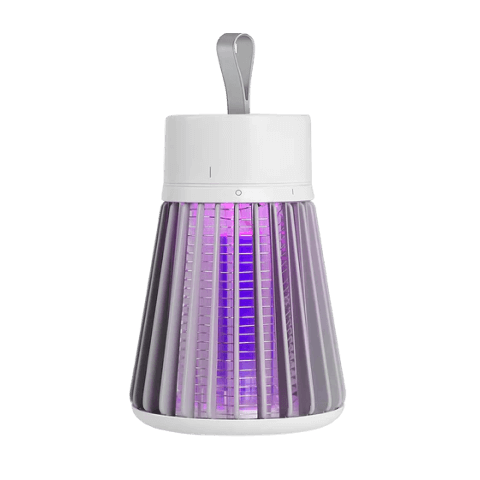
MosquitoLamp is a UV-and-electric-grid device, the same category discussed above. It's a reasonable pick for reducing general flying insects around a porch or patio — but per the research above, don't expect it to be your primary mosquito solution. Pair it with eliminating standing water and screens for real mosquito control, and think of the lamp as one part of a layered approach, not the whole answer.

MosquitoLamp portable UV insect zapper

MosquitoLamp — Full Honest Review

Real specs, honest expectations, pricing, and an honest FAQ.

Frequently Asked Questions

Do UV bug zappers actually kill mosquitoes?

Not very well, specifically. A University of Delaware study tracking over 13,000 zapped insects found only 31 were biting flies including mosquitoes — under 1%. Mosquitoes navigate primarily by CO2, body heat, and scent, not UV light.

What's the single most effective thing I can do to reduce mosquitoes?

Eliminate standing water. Mosquito larvae need it to develop, and even a small puddle can produce thousands of new mosquitoes within days. This single habit outperforms most purchased devices.

Are UV insect traps useless, then?

No — they're genuinely effective against other flying insects like moths, gnats, and house flies, which are strongly drawn to UV light. They're just not a reliable primary defense against mosquitoes specifically.

What actually attracts mosquitoes more than light?

Carbon dioxide, body heat, sweat, and certain skin scents are the primary cues mosquitoes use — which is why devices combining CO2 or heat lures with light tend to outperform light-only zappers against mosquitoes specifically.

Do fans help keep mosquitoes away?

Yes, genuinely. Mosquitoes are weak fliers, so a box fan or ceiling fan on a porch or patio can meaningfully reduce how many land on you, and helps disperse the CO2 plume that attracts them.

*This guide reflects publicly available research and studies from the sources cited above. Individual results vary by location, mosquito species, and conditions. We did not independently test any specific product mentioned.